The Lucky Streak Story: A Familiar Tale, Not a Forecast
The lucky streak story turns chance into apparent momentum. Learn how its familiar cues shape casino narratives without predicting what happens next.

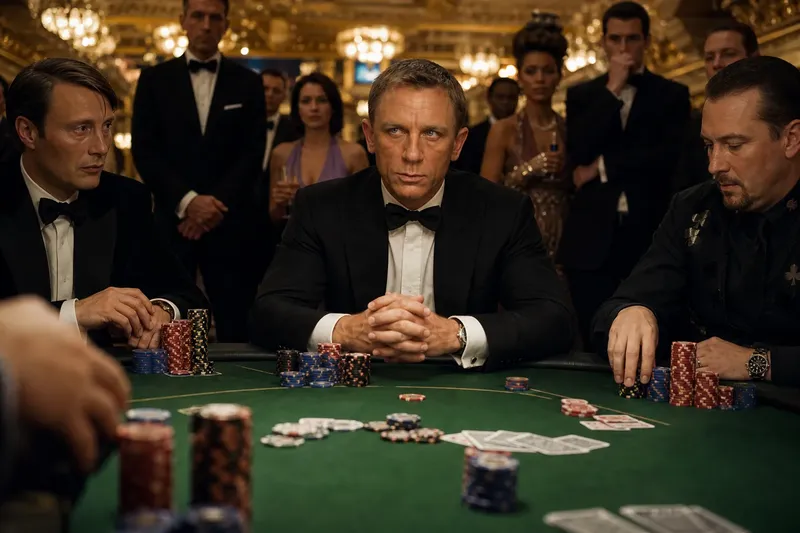
A player wins twice, the room notices, and someone says the night is turning in their favour. The lucky streak story has begun: a small run of results becomes a plot about momentum, with the next result cast as its likely continuation. In casino stories connected with Yên Bái, as elsewhere, that plot can make chance feel legible without making it predictable.
That distinction matters. A streak is a description of what has already happened. A forecast is a claim about what will happen next. Popular narratives often slide from the first to the second so quietly that the shift can pass as common sense.
How does a run of results become a story?
A sequence is just a sequence until someone selects its beginning and end. Say a player wins a hand, loses the next, then wins again. Call the first and third results a “lucky run”, and the loss becomes a brief interruption. Include every result and the same stretch may look mixed rather than fated.
Stories need shape. They tend to provide a starting point, a change in fortune and a hint of what comes next. A lucky streak supplies all three. The first win starts the plot; repeated wins build momentum; the next result becomes a question the audience wants answered.
That structure is useful for a tale because it gives scattered events a clear line. It is less useful as a forecast. The line has been drawn after the results are known, and there is no rule saying the next event must follow its direction.
Notice what the storyteller has chosen to count before deciding what the run means.
Why does momentum feel convincing?
People are good at spotting patterns, including patterns that carry no reliable message about what comes next. A sequence of similar outcomes catches the eye. Once a run has a name, attention tends to gather around events that seem to support it.
In a casino scene, the surroundings help. A table, a changing score, a quiet pause before the next play and the reactions of nearby people give the sequence a visible rhythm. Words such as “hot”, “due” or “on a roll” turn that rhythm into an explanation. They sound like descriptions, but they can carry an implied prediction.
Repetition also makes the story easy to remember. A run of wins has a simple shape; a longer record of wins, losses and ordinary outcomes is harder to retell. The memorable version can therefore seem more representative than it is. That is a feature of the storytelling, not evidence that the next result has been settled.
Try replacing “the run is continuing” with “these results happened in this order”. The second sentence makes fewer promises.
What does the story leave out?
A streak narrative usually has a boundary: it starts somewhere and ends somewhere. Those boundaries are choices. Begin the account after a loss and it may open on a win. End it before the next loss and the run appears unbroken. A different selection can produce a different story from the same sequence.
It may also leave out the number of attempts that did not produce a dramatic run. If many rounds, players or games are available to notice, some striking sequences will appear simply because there were many chances for them to appear. The sequence still happened. Its appearance alone does not establish a force carrying it forward.
Say you are watching a fictional player called Mina at a card table. She wins two hands, loses one, then wins another. A friend calls it a streak and suggests that Mina should keep playing because the next hand is likely to follow suit. The observable record is four outcomes in a particular order; the suggestion adds a forecast that the record itself cannot supply.
The practical distinction is modest but useful: record the outcomes you can see, and treat claims about what they mean as a separate layer.
How do media make momentum visible?
Media can build a streak from choices of framing rather than from a spoken claim. A sequence of close shots, rising music and attentive faces can make separate events feel like stages in one unfolding turn of fortune. A short clip may begin at the first win and end before the sequence changes. The result is an intelligible mini-story, not a complete account.
Captions and commentary can do similar work. “The run continues” points to the past; “the run will continue” reaches into the future. A headline may blur the distinction for effect, while an image of a cheering crowd gives the claim social weight. Neither the crowd nor the edit changes the uncertainty of the next outcome.
This is not a reason to dismiss every account of a run as misleading. A streak can be a fair description when its boundaries are clear and the record is presented plainly. The trouble begins when a description quietly becomes advice, or when dramatic presentation is treated as evidence of a dependable pattern.
When reading a clip or caption, ask what happened before the opening frame and after the closing one.
What do readers often ask about lucky streaks?
Does a lucky streak mean a player is more likely to win again?
Not by itself. A run describes previous outcomes; it does not establish that the next one is more likely to match them.
What is the difference between a streak and a hot hand?
A streak is a description of consecutive or clustered results. “Hot hand” is an interpretation that a person’s recent success reflects a continuing ability or advantage, which needs evidence beyond the run itself.
Can a losing run mean a win is due?
Calling a result “due” turns past losses into a prediction about the next outcome. Unless the rules of a particular game create a genuine dependency, a run of losses alone does not make a win the necessary next event.
How can a media story show a streak fairly?
It can make the sequence and its limits clear, distinguish observed results from prediction, and avoid implying that dramatic editing reveals what comes next. Context helps readers see where the account begins and ends.
How can you read a streak claim without overreading it?
Separate what the account says happened from what it says will happen. Then look for the details that affect interpretation:
- Check the sequence. Are the individual outcomes shown or described, or only the exciting part?
- Check the boundaries. Is it clear when the alleged run began and ended?
- Check the language. Does the account say “won repeatedly”, or does it imply that another win is coming?
- Check the setting. Is the narrator describing a scene, making entertainment, or offering advice?
- Check what is missing. Are losses, pauses or other ordinary outcomes absent from the account?
These checks do not reveal the next result. They help separate an entertaining account of the past from a claim about the future, which is a more modest and more defensible task.
When does the narrative become a problem?
A lucky streak story becomes consequential when people use it to justify a decision. Someone might play longer because a run feels destined to continue, or raise the stakes because a win seems to have changed the odds. The story can make that choice feel like following evidence, even when the only evidence offered is the sequence already seen.
For readers encountering casino coverage or conversation around Yên Bái, it helps to keep the story in its proper category. It may be local colour, a dramatic device or a way for people to describe an exciting evening. None of those uses turns it into a forecast. Decisions involving gambling are personal; anyone concerned about their own play can seek support from a qualified local service.
The lucky streak story remains compelling because it gives randomness a beginning, a middle and a possible next act. Enjoy the shape of the tale if it suits the moment, but let the next outcome remain an open question.